



Fever Under Control: Non-Pharmacological Ways to Reduce Body Temperature
An elevated body temperature (fever) is a natural protective response of the organism to infection, inflammation, or other pathological processes. Contrary to popular belief, “normal” temperature is not limited to 36.6°C. Wh...

Author
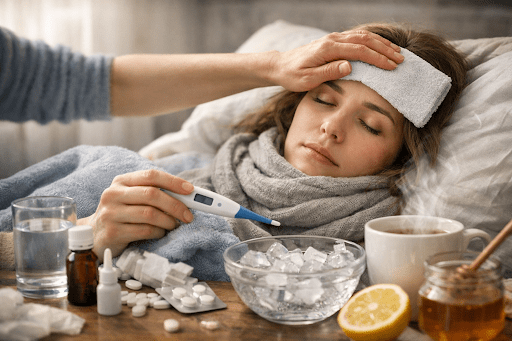
An elevated body temperature (fever) is a natural protective response of the organism to infection, inflammation, or other pathological processes. Contrary to popular belief, “normal” temperature is not limited to 36.6°C. When measured in the axilla, a range from 35.5 to 37.2°C is considered physiologically normal and may fluctuate over the course of the day.
The key clinical question is: when should fever be actively reduced?
Current medical consensus holds that temperatures up to 38–38.5°C in adults and up to 38.5 -- 39°C in children should generally not be lowered if they are well tolerated. At this stage, the body is actively combating the causative agent. However, the decisive criterion is the patient’s overall condition. Even with relatively low readings, severe headache, myalgia, chills, or altered mental status warrant intervention. In children, as well as in individuals with chronic cardiovascular or neurological diseases or a history of febrile seizures, the threshold for intervention is always lower.
Below are effective and safe methods to support the body without immediately resorting to medication.
1. Optimization of Fluid Intake
This is fundamental. Fever is invariably accompanied by increased fluid loss through perspiration and respiration. Dehydration worsens symptoms, may further raise temperature, and delays recovery.
- What to drink: cool or warm water, unsweetened fruit drinks (cranberry, lingonberry), compotes, herbal teas (linden, chamomile), and non-carbonated mineral water.
- Why it works: adequate hydration replenishes fluid losses, supports detoxification, and facilitates thermoregulation. Beverages such as coconut water may additionally help restore electrolyte balance.
- Important: fluids should be taken frequently in small amounts. Forced consumption of large volumes at once—especially in children—is not advisable.
2. Physical Cooling Methods
The goal is to enhance heat dissipation, not to induce physiological stress through excessive cold exposure.
- Cool compresses: moisten a towel with room-temperature water (approximately 25–30°C), wring it out, and apply it to the forehead, temples, neck, wrists, calves, or groin—areas where large blood vessels lie close to the skin. Replace as it warms. This method allows for a gradual reduction in temperature by several tenths of a degree and alleviates discomfort.
- Sponging with water: gently wipe the body with a sponge or cloth soaked in lukewarm (not cold or icy) water. Afterward, do not wrap up; allow the moisture to evaporate from the skin, producing a cooling effect.
- Cool foot bath: placing the feet in a basin of comfortably cool water for 10–15 minutes may reflexively assist in reducing fever.
3. Appropriate Environment and Rest
- Room temperature and humidity: the room should be ventilated regularly. The optimal ambient temperature is 18–22°C. Dry air irritates mucous membranes and impairs heat exchange; a humidifier or hanging damp towels can be helpful.
- Clothing and bedding: choose lightweight, breathable, natural fabrics (cotton, linen). Tight or synthetic clothing should be avoided. Do not bundle up or use heavy blankets, as this hinders heat loss. If chills occur, a light blanket may be used until they subside.
- Bed rest: physical activity generates additional heat. Rest conserves energy for the immune response.
4. Nutrition and Natural Aids
- Light meals: the body requires energy, but digestion of heavy foods is metabolically demanding. Clear broths, vegetable purées, and fruits are appropriate choices.
- Water-rich fruits and vegetables: cucumbers, watermelon, melon, citrus fruits, and zucchini support hydration and provide vitamins.
- Aloe vera: topical application of aloe vera gel may produce a cooling sensation and subjective relief.
5. Breathing Technique for Adults
In the absence of contraindications (e.g., respiratory diseases), the yogic cooling breathing technique Shitali may be used. Sit comfortably, curl the tongue into a tube (or slightly open the mouth), and inhale slowly through the mouth, sensing the cool air. Exhale through the nose. Practicing for 5–7 minutes may promote relaxation and subjectively reduce the sensation of heat.
Strictly contraindicated:
- Rubbing with vinegar, alcohol, or vodka. This is a dangerous and outdated practice. The skin—particularly in children—readily absorbs these substances, potentially leading to intoxication and chemical burns. Rapid evaporation of alcohol causes vasospasm of the skin, impairing heat dissipation and increasing core temperature.
- Cold baths or ice packs. These provoke severe stress and peripheral vasoconstriction, effectively trapping heat within the body.
- Alcohol ingestion “for warming” or “disinfection.” Alcohol promotes dehydration, disrupts liver function, and negates the effects of medications.
- Excessive bundling to “sweat it out.” This interferes with natural thermoregulation and may result in overheating.
When to Seek Medical Attention
- Temperature above 39.5°C that responds poorly to measures taken
- Fever lasting more than 3 days in adults or more than 1–2 days in children
- Appearance of rash, severe headache, photophobia, or neck stiffness (possible signs of meningitis)
- Altered consciousness, delirium, or seizures
- Severe abdominal or chest pain, or difficulty breathing
- Infants under 3 months of age with a temperature above 38°C
- Signs of so-called “white fever”: cold, pale extremities; intense chills; bluish lips or nails in the presence of high temperature
In conclusion, all the methods described above constitute supportive, symptomatic care. They do not address the underlying cause of illness but may help the patient tolerate fever more comfortably. If the condition is concerning or these measures are ineffective, the use of antipyretic medications (paracetamol or ibuprofen, according to instructions) or prompt medical evaluation is the only appropriate course of action.
-
 WellnessFall Asleep Fast and Easy: Expert Tips for Instant Rest
You’re lying there. Eyes closed, but your brain isn’t. It’s in hyperdrive — editing a highlight reel of today’s failures...
26 Jan 2026, 06:13 -
 HealthArbutin in Cosmetics: Everything You’ve Ever Wanted to Know
Many people have heard of arbutin in cosmeceutical products, and perhaps even noticed it listed on ingredient labels, but few have looked closely at w...
13 Nov 2025, 11:59