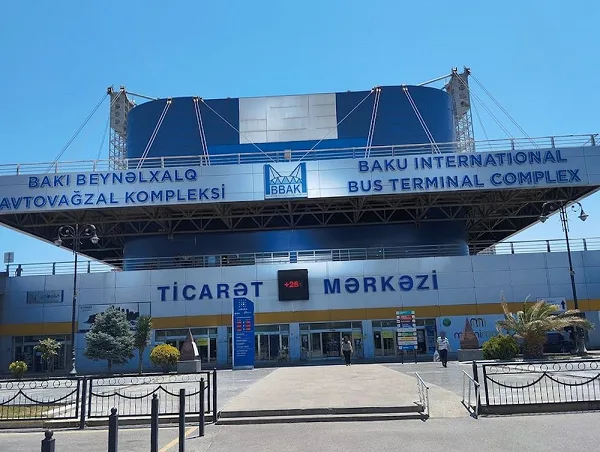
Beynalxalq Avtovaghzali (Buildings (Mega structures)) (Baku)
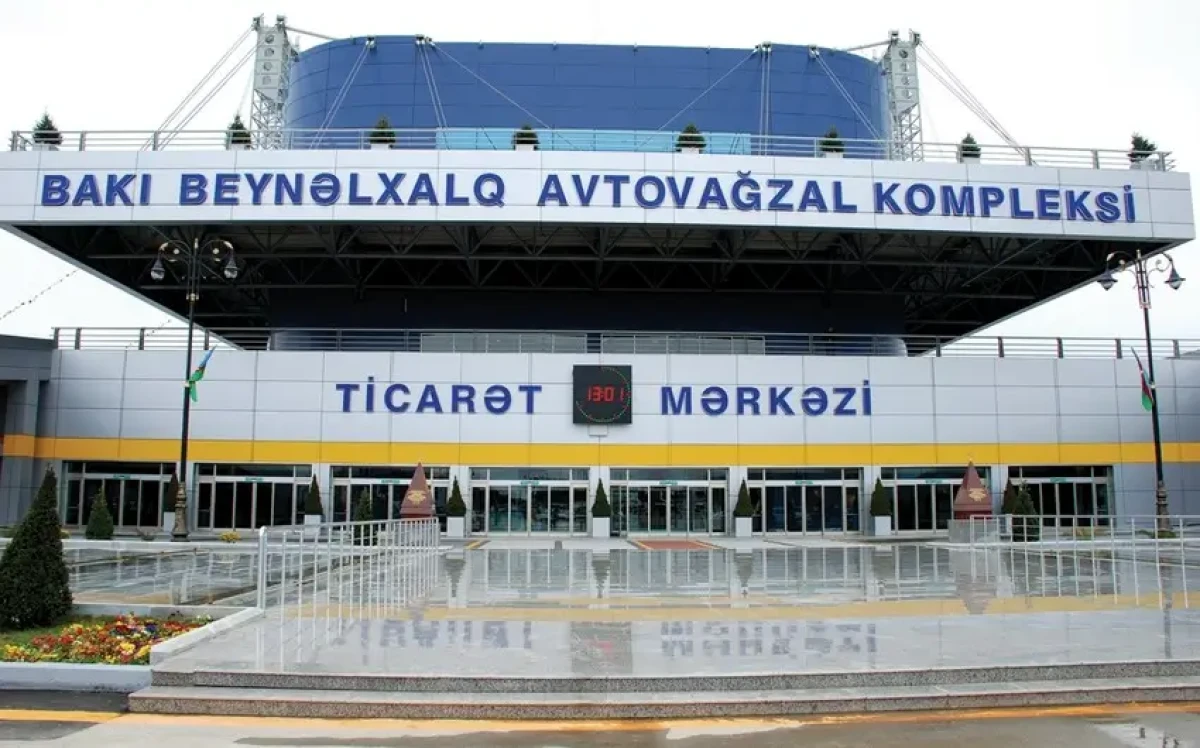
- Moscow 73, Baku
- (+994 12) 406-01-59
- (+994 12) 406-01-58
- AZ1117
- https://avtovagzal.az


29, 67, 102, 525, 92, 156, 96, 114A, 159, 170, 37, 59, 114B, 83, 135, 199, 142, 130 (84 m)
14, 13, 91, 7A, 511, 501, 502, 553, 567, 158, 551, 569, 134, 157, 592A, 504, 503, 515, 2 (234 m)
-
Avtovağzal is Baku’s main bus terminal. It functions both as a transportation hub and a shopping center. It has been operating since 2016.
History
The complex opened in 2016 and is the largest bus terminal in the city.
The "Avtovağzal" metro station began operating on April 19, 2016. Construction started in 2009.
Team
Managed by the Azerbaijan Road Transport Agency.
Oversight was mentioned under Rashad Badalov, Chairman of Baku Metro, during the opening phase
-
Bus routes operate throughout Azerbaijan and to Turkey, Russia, Iran, and Georgia
Facilities include luggage storage, paid parking, a first-aid medical point (free emergency care).
On-site Crossway Hotel with 93 rooms.
A shopping zone with around 300 stores
-
Online departure board, ticket sales via the "Avtovagzal – Bus Tickets" website and mobile app.
Digital systems for inventory and transport management, online payments, and ticket processing
-
The complex was built using state budget funds.
Ticket prices are regulated by the Tariff Council (latest update as of January 31, 2023)
-
Revenue comes from ticket sales, rental of commercial space, hotel services, and parking fees.
-
April 2016 — metro and terminal officially opened.
May 2021 — routes resumed after a temporary suspension.
June–July 2023 — increased activity during holiday periods.
-
Operates without disruption during holidays.
Offers free first aid and facilities for passengers with limited mobility, including elevators and lifts.
-
Ensures uninterrupted transportation during holidays, free emergency care, and accessibility infrastructure for people with disabilities.
-
By 2030, plans to expand the metro system with new SCADA and CBTC control systems.
Will continue upgrading IT systems, improving online services, and strengthening operations during peak periods.