Taza Pir Mosque (Baku)
- 7 Mirza Fatali Akhundzade, Baku
- AZ1001
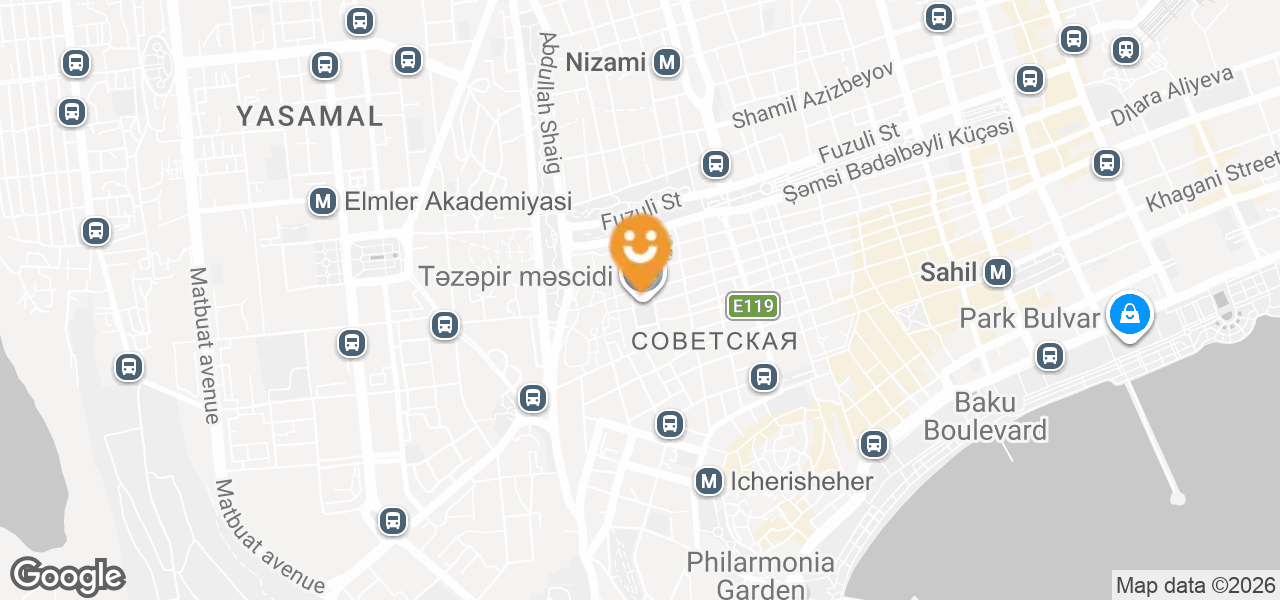

65, Ekspres M2 (224 meters (distance in meters))
14, 52, 96, 79, Ekspres M4, 2, 33 (326 meters (distance in meters))
6, 31, 37, 59, 77, 10 (473 meters (distance in meters))
Ekspres M2A, 17 (479 meters (distance in meters))
-
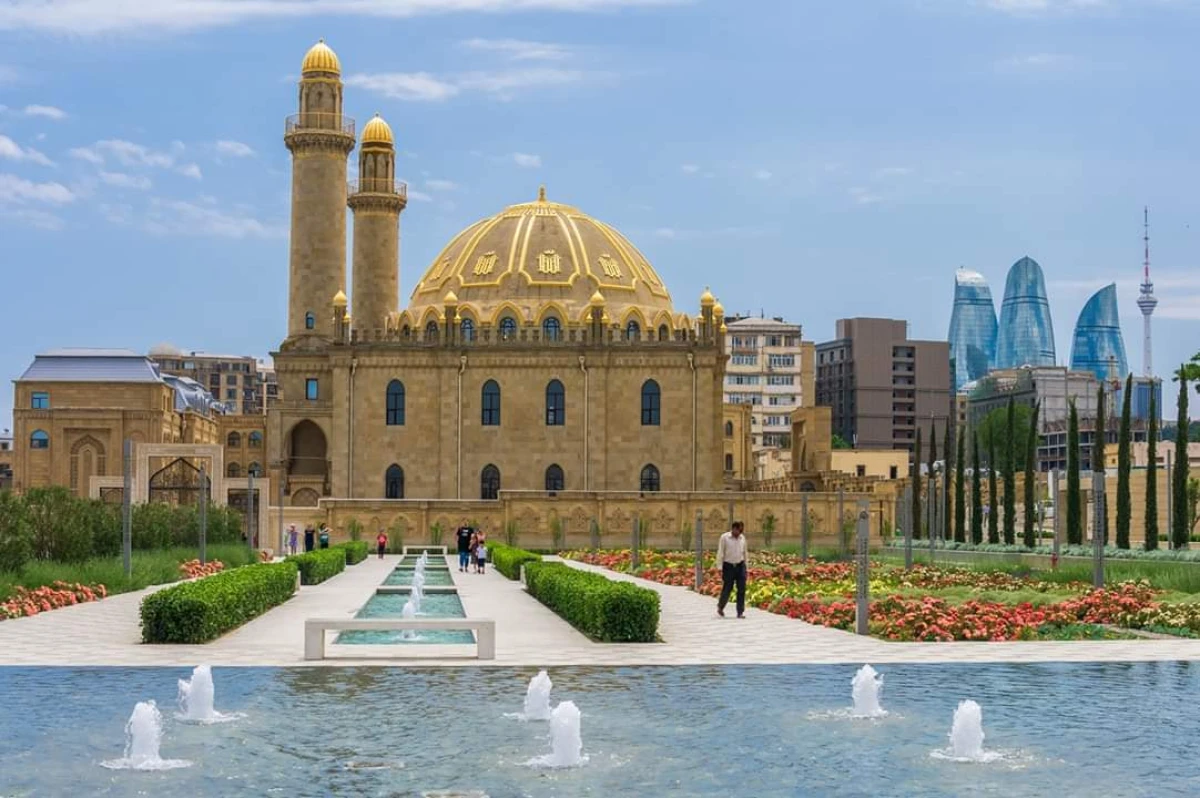
Tazapir Mosque is located in the historical center of Baku and is one of Azerbaijan's most magnificent and architecturally significant religious worship sites. The mosque complex covers a large area and combines the local architectural traditions of Islamic culture. In addition to being the residence of the Caucasus Muslims Office, it is also a center for religious enlightenment and socio-cultural activities.
History: The foundation of the mosque was laid in 1905 by the philanthropist Nabat Khanum Ashurbeyova. Despite historical events during its construction, the building works were completed in different periods, and the complex gained its current majestic appearance as a result of large-scale reconstruction and landscaping works carried out in recent years.
Team: Leadership of the Caucasus Muslims Office, high-ranking theologians, religious figures, research staff, and administrative-maintenance staff of the mosque complex.
-
Religious worship: Spacious prayer halls for daily prayers, Friday prayers, and religious holidays.
Enlightenment: Teaching religious sciences, promoting cultural-spiritual heritage, and organizing conferences on various religious topics.
Social services: Conducting charity actions, regulating religious ceremonies and visits. -
Architecture: The complex is distinguished by its golden domes, minarets with delicate carved patterns, and valuable decorative elements used in its interior.
Infrastructure: The mosque complex is equipped with a large library, a conference hall, and modern technical systems that create comfortable conditions for visitors to worship. -
Events related to important events in the Islamic world are regularly held at the Tazapir Mosque, and it hosts internationally significant meetings aimed at promoting religious tolerance and intercultural dialogue.