



Buckwheat: Nutritional Value and Culinary Merit in Every Spoonful
In fact, buckwheat can rightfully be called the queen of grains. It is not a cereal at all, but a seed—botanically related to sorrel and rhubarb. It contains no gluten, yet offers a full array of other nutrients that your body will ap...

Author
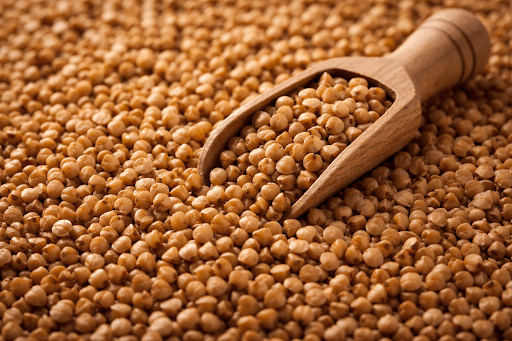
In fact, buckwheat can rightfully be called the queen of grains. It is not a cereal at all, but a seed—botanically related to sorrel and rhubarb. It contains no gluten, yet offers a full array of other nutrients that your body will appreciate. Today, we will explain why buckwheat deserves a place in every kitchen and how to prepare it for maximum nutritional benefit and flavor.
Why Do Everyone—from Athletes to Infants—Eat It?
In brief: this is far more than a simple side dish. It is nutritional “special forces.” Here is what a handful of these small brown kernels provides:
- Highly digestible protein: 12–13 grams per 100 grams of dry groats—remarkable for a plant-based product. It contains all essential amino acids, making it ideal for vegetarians and for individuals focused on lean muscle.
- Cardiovascular support: Rutin (vitamin P) strengthens vascular walls, magnesium and potassium support heart function, and dietary fiber assists in the removal of excess cholesterol.
- Glycemic control: Complex carbohydrates and fiber ensure a slow release of energy, minimizing glycemic spikes and preventing sudden hunger.
- A “mineral pantry”: Buckwheat contains iron (for hematologic health), phosphorus, zinc, copper, and manganese in highly bioavailable forms.
- Longevity in a bowl: Research from the Siberian Federal University suggests that buckwheat may stimulate production of the “longevity protein,” sirtuin.
A practical note: raw (unroasted) buckwheat—often sold as green buckwheat—is the most nutritionally potent and contains the highest concentrations of rutin. If its grassy flavor is not to your liking, choose standard roasted buckwheat groats of the highest grade; the nutritional benefits remain substantial.
How to Cook Buckwheat: A Precise Procedure
The process is simple. The key lies in proportions and timing. Set aside hesitation and follow the instructions.
Selection and Preparation (1 minute)
Choose whole groats. Finer cuts and flakes are better suited for porridge-like dishes or infant foods. Rinse the groats under cold water even if the packaging states otherwise—this removes dust and residual debris. For enhanced aroma, you may toast the rinsed groats in a dry skillet for 3–4 minutes until they emit a nutty scent; this step is optional.
Water Ratio (1 minute)
Commit this rule to memory: 1 part buckwheat to 2 parts water.
- For loose, fluffy grains: 1:2
- For a thicker, porridge-like consistency: 1:2.5 or even 1:3
Use the same measuring cup for both groats and water.
Cooking Technique (15–20 minutes)
- Place the rinsed groats into a pot with a thick bottom and add cold water according to the chosen ratio.
- Add salt immediately—approximately ½ teaspoon without a mound per cup of dry groats.
- Bring to a boil over high heat.
- Once boiling, reduce heat to a minimum and cover with a lid.
- Leave undisturbed for 15 minutes. Do not open the lid or stir; retaining steam is essential.
- After 15 minutes, remove from heat (still without opening), wrap the pot in a towel or simply let it stand for an additional 5–10 minutes. During this stage, the buckwheat finishes cooking and absorbs remaining moisture.
You now have ideal, fluffy buckwheat.
An important tip regarding butter: add a small piece of unsalted butter immediately after turning off the heat and before insulating the pot. The butter will melt evenly, coating each grain without being degraded by prolonged heating.

Alternative Cooking Methods
The classic pot is not the only approach:
- In the oven (the “set it and forget it” method). Combine buckwheat, water, and salt in a 1:2 ratio in a heatproof dish with a lid. Preheat the oven to 180°C and cook for 30–40 minutes. The result is aromatic and uniformly cooked.
- Steeping (maximum nutrient retention). Pour boiling water over rinsed groats in a thermos or pot (1:2 ratio), seal firmly, and wrap for 1.5–2 hours. No boiling required, and vitamins are largely preserved.
- In a multicooker. Add water and let the machine complete the cycle—ready in about 20–25 minutes.
Troubleshooting
- Water has evaporated but the grains are still firm? Do not add cold water. Instead, add a spoon of vegetable or butter fat, close the lid, turn off the heat, and let it stand for 15–20 minutes.
- Ended up with mush? Too much water. Next time, adhere more strictly to the 1:2 ratio. The current batch can still be repurposed into patties or casseroles.
A Refrigerator Cheat Sheet
- Buckwheat is a superfood. Consume it 2–3 times per week without hesitation.
- The golden formula: 1 cup groats : 2 cups cold water : a pinch of salt.
- Algorithm: Bring to boil → reduce heat to minimum → cook 15 min covered → allow to rest 10 min → add butter.
- Do not lift the lid during cooking—this is the key to fluffiness.
- If you prefer not to boil, pour boiling water over the groats in a thermos for 2 hours.
That is all—no mystique involved. Take a pot, and may your buckwheat be not a lump of disappointment, but rather a genuine point of culinary pride.
-
 Culinary RecipesEveryone’s Favorite Pancakes: an Interesting History and a Classic Recipe
A pancake lies on your plate—modest, golden, smelling of childhood and butter. Don’t be fooled. It’s one of the oldest gastronomic t...
23 Jan 2026, 11:24 -
 ReligionHoliday Prayer (Ṣalāt al-ʿĪd) in Islam: Structure, Symbolism, Significance
There arrives that singular dawn when the air seems to vibrate with quiet joy. Cities and villages still slumber, yet in Muslim homes lights begin to...
23 Jan 2026, 08:00 -
 ReligionBeginning the Day with Worship: On the Morning Prayer
Once, at the very break of dawn, when the world stood still in anticipation of the first ray of light, the Prophet Muḥammad (peace and blessings be up...
23 Jan 2026, 06:48