

Chia Seeds: An Ancient Superfood Under the Microscope of Modern Science
Spoiler: this isn’t just another wellness trend. Chia is a genuine nutritional powerhouse — though not a miracle cure. Let’s explore the evidence without myths, marketing slogans, or pseudoscience. We’ll uncover why...

Author
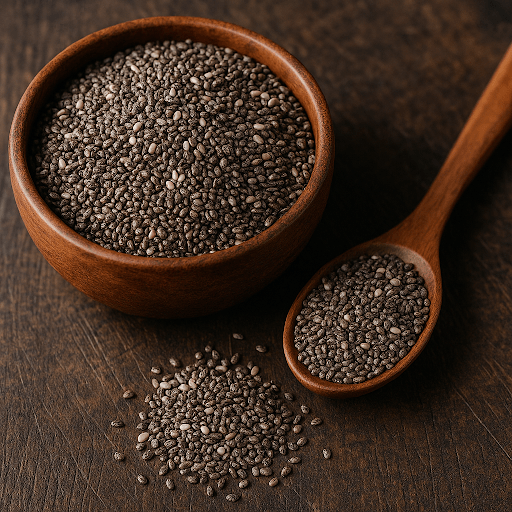
Spoiler: this isn’t just another wellness trend. Chia is a genuine nutritional powerhouse — though not a miracle cure. Let’s explore the evidence without myths, marketing slogans, or pseudoscience.
We’ll uncover why chia was called “the gold of the Aztecs,” how it supports cardiovascular and metabolic health, and what the latest research says. Every claim here is backed by clinical studies, data from the Journal of Nutritional Health and Dietetics, and insights from medical experts in Azerbaijan.
But that’s only the surface. The story of chia is a fascinating journey through time — from ancient civilizations to modern laboratories, where scientists continue to unravel the remarkable properties of these microscopic seeds.
Once a sacred offering, a form of currency, and a warrior’s ration, chia has evolved into a symbol of mindful eating and self-care. These tiny seeds capture not only the warmth of the Mexican sun and the spirit of antiquity but also a dense matrix of nutrients that modern nutritionists regard with respect.
Within each grain lies a biochemical universe: proteins, essential amino acids, calcium, iron, magnesium, zinc, and antioxidants — all in a form easily absorbed by the human body. When immersed in water, chia forms a gel that gently coats the stomach lining and promotes prolonged satiety. Not merely fashionable — but physiologically intelligent.
Chia seems almost tailor-made for the 21st century: it requires no cooking, stores well, adapts to any recipe — from oatmeal to gluten-free bread — and supports metabolic balance at a cellular level. Studies show it helps stabilize blood sugar, improve lipid profiles, and nurture the gut microbiome.
And these aren’t Instagram anecdotes — they are peer-reviewed findings. Chia has been shown to benefit patients with type 2 diabetes, obesity, and hypertension. It is not a drug, nor a panacea, but a powerful dietary ally.
Ultimately, though, the story of chia isn’t just about data — it’s about integration into daily life. In a pudding that replaces an unhealthy dessert. In a smoothie that energizes without caffeine. In vegan baking, where it substitutes eggs without sacrificing flavor.
Chia is less about “health trends” and more about care — care for the body, balance, and mindful nourishment. It represents small, deliberate choices that improve well-being — ancient wisdom seamlessly woven into modern living.
That is the quiet magic of chia: its ability to be essential without demanding attention. No elaborate rituals, no hype — just a small seed enriching your day. Somewhere between breakfast and dinner, you realize you’re more energized, your mood steadier, your sugar cravings gone. Not a miracle, not placebo — but science, integrated into habit, seed by seed.
Historical Legacy: Why the Aztecs Considered Chia Sacred
As early as the 5th century BCE, the Maya and Aztec civilizations cultivated chia not merely as food, but as a symbol of strength and endurance. Warriors and runners consumed it before battles and long journeys, believing it granted energy comparable to modern stimulants.
When the Spanish conquistadors encountered the Aztec Empire, they were astonished by the stamina of the indigenous people. Historical chronicles record that a single spoonful of chia could sustain a person for an entire day of strenuous labor.
After colonization, chia cultivation was nearly lost — until the late 20th century, when researchers rediscovered its exceptional nutritional profile. Today, chia enjoys a global renaissance as a scientifically validated superfood.
What’s Hidden in These Tiny Seeds?
At first glance, chia may look like little more than dust in a fancy jar. Yet behind its modest appearance lies remarkable chemistry:
Per 100 g of chia seeds:
- Omega-3 fatty acids — up to 395% of daily value (more than salmon or flaxseed!)
- Dietary fiber — 27.3 g, comparable to bran
- Calcium — 255 mg, roughly twice as much as a glass of milk
- Antioxidants — about 9% phenolic compounds
Fun fact: Omega-3 content varies by climate — cooler regions yield seeds richer in fatty acids.
These figures are not marketing exaggerations. Chia genuinely supports cholesterol reduction, blood pressure regulation, digestive health, and even post-injury recovery.
Tip: add chia to smoothies, porridge, or yogurt — it has virtually no flavor but offers extraordinary nutritional value.
Science-Backed Benefits
For Heart and Vascular Health
- 50 g per day effectively lowers blood pressure in hypertensive individuals.
- Omega-3s in chia reduce the risk of heart attack by improving lipid balance.
- They normalize the Omega-6/Omega-3 ratio, providing a cardio-protective effect.
- In Azerbaijan, chia is already recommended in dietary programs for cardiovascular patients, including at clinics affiliated with Baku Medical University.
Tip: Make chia pudding — mix 1–2 tablespoons with milk or a plant-based drink, refrigerate overnight, and wake up to a ready-made breakfast.
For Diabetes and Weight Control
- 37 g daily reduces postprandial (after-meal) glucose spikes.
- Prolongs satiety — even more effectively than flaxseed.
- Aids in reducing waist circumference.
Tip: Chia gel (1 tbsp seeds + 3 tbsp water) can replace one egg in baking — perfect for vegan recipes.
For Digestive Health and Immunity
- Up to 30% fiber improves bowel function and prevents constipation.
- Antioxidants combat oxidative stress and cellular aging.
When Chia Can Be Harmful
“Healthy” does not mean “harmless.”
Chia seeds have a few contraindications:
Use with caution if you have:
- Hypotension — chia can further lower blood pressure.
- Anticoagulant therapy (e.g., aspirin) — possible risk of bleeding.
- Pregnancy — only under medical supervision.
- Digestive sensitivity — excess fiber may cause bloating.
Recommendation: limit intake to no more than 48 g per day. Begin with 1 teaspoon and monitor your body’s response.
How to Choose and Store Chia
Buying chia isn’t about choosing the cheapest brand. Quality matters:
High-quality seeds:
- Black or white, smooth, without reddish tones.
- Produced in Mexico, Peru, or Australia.
Poor-quality seeds:
Brown, brittle, or bitter-tasting.
Storage:
Keep in a glass jar, in a dark, cool place (10–25°C).
Quick test: Add water — if a gel forms within 10–15 minutes, your seeds are fresh.
How to Use Chia Effectively?
- Gel — as an egg substitute in baking.
- Chia fresca — water + lemon juice + seeds: a natural, refreshing beverage.
- Chia flour — enrich dough (up to 5% of total weight).
Important: Always soak chia before consumption — never eat dry seeds.
Final Verdict: Is It Worth It?
Chia is not medicine, nor is it magic.
It is a functional food — one whose benefits are real, measurable, and verified in both laboratories and clinics.
Chia:
- Supports cardiovascular health
- Aids in managing diabetes and weight
- Provides a concentrated source of essential nutrients
The key is moderation — and realistic expectations.
Chia is like a Swiss Army knife for nutrition: compact, versatile, and powerful when used correctly.
P.S. In Baku, chia seeds are readily available at Bio Market, Green House, and other health food stores.
Try incorporating them into your diet — your body will thank you!
-
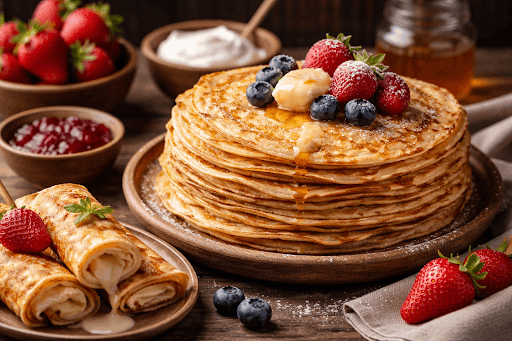 Culinary RecipesEveryone’s Favorite Pancakes: an Interesting History and a Classic Recipe
A pancake lies on your plate—modest, golden, smelling of childhood and butter. Don’t be fooled. It’s one of the oldest gastronomic t...
23 Jan 2026, 11:24 -
 ReligionHoliday Prayer (Ṣalāt al-ʿĪd) in Islam: Structure, Symbolism, Significance
There arrives that singular dawn when the air seems to vibrate with quiet joy. Cities and villages still slumber, yet in Muslim homes lights begin to...
23 Jan 2026, 08:00 -
 ReligionBeginning the Day with Worship: On the Morning Prayer
Once, at the very break of dawn, when the world stood still in anticipation of the first ray of light, the Prophet Muḥammad (peace and blessings be up...
23 Jan 2026, 06:48